Blogs / Collector Notes
Breitling Navitimer Japan Lemania: The Rare 1995 Japanese-Exclusive Chronograph
6 min read · 10/25/2026
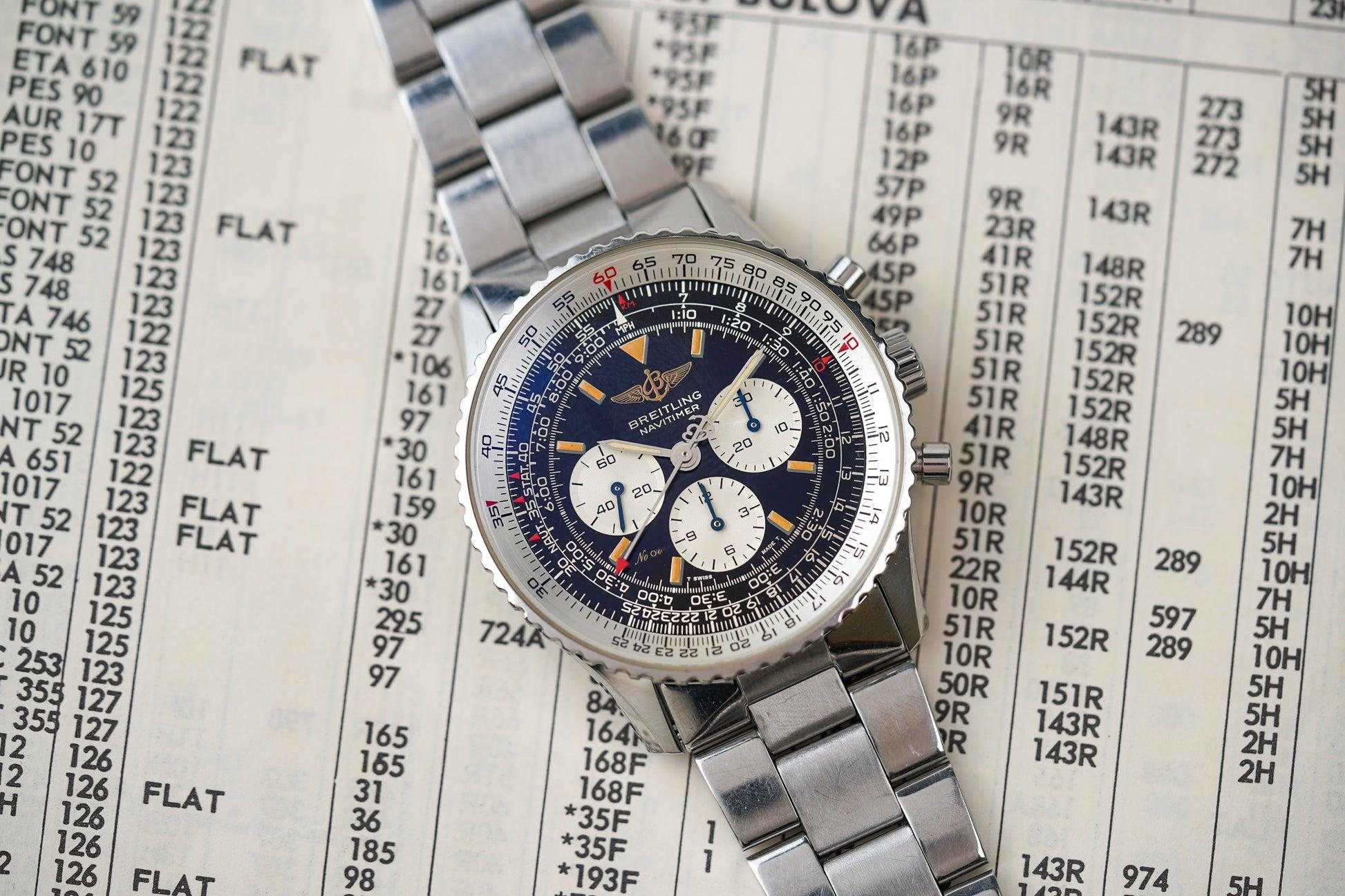
The Breitling Navitimer Japan Special A11022 is a rare manual-winding aviation chronograph produced for the Japanese market in 1995. Limited to a reported 250 pieces, it combines classic Navitimer styling with the respected Lemania 1873 movement and a sapphire display caseback.
The Navitimer Japan Special: A Collector's Hidden Gem
The Breitling Navitimer is one of the most recognizable aviation chronographs ever made. Its circular slide rule, layered dial, and chronograph registers have connected the collection to aviation since the 1950s. Yet some of the most interesting Navitimers are not the standard production models found in every catalogue.
The Breitling Navitimer Japan Special A11022 is one such example. Specialist dealers and watch listings identify it as a Japanese-market limited edition from 1995, reportedly produced in just 250 pieces. Its appeal comes from a combination of traditional Navitimer design, manual winding, a Lemania 1873 chronograph movement, and a sapphire display caseback.
This reference belongs to an important period in Breitling's history. After the quartz crisis challenged traditional mechanical watchmaking, Breitling returned to mechanical chronographs and continued building on its aviation heritage. The Japan Special captures that era with a movement architecture that enthusiasts may also recognize from the Omega Speedmaster family.
Why the Lemania 1873 Matters
The most important technical feature of this Navitimer is its manual-winding chronograph movement, identified in specialist listings as the Lemania 1873. This movement family is well known among collectors for its association with traditional hand-wound chronographs, including versions of the Omega Speedmaster Professional.
Unlike an automatic movement, a manual-winding caliber requires the wearer to wind the crown to maintain its power reserve. For enthusiasts, that daily interaction can be part of the appeal. It also gives the watch a more traditional mechanical character that suits the Navitimer's historical identity.
The Lemania 1873 architecture uses a cam-operated chronograph mechanism. The chronograph is designed to measure elapsed time, while the Navitimer's rotating slide rule provides an additional calculation tool. Together, they preserve the practical, instrument-like personality of a classic pilot's watch.
Some dealer descriptions use the designation Breitling Caliber 11 for this configuration, while also identifying the underlying movement as Lemania 1873. Because reference and caliber descriptions vary between listings, the exact movement designation should be verified against the individual watch and its documentation.
A Japanese-Market Limited Edition
Special regional editions can be particularly interesting to collectors because they were created for a specific market rather than distributed as a standard global model. The A11022 is described by specialist sellers as a Japanese-market edition limited to 250 numbered watches.
Examples have been advertised with an individually numbered dial, stainless-steel case, and sapphire display back that reveals the movement. Original limited-edition certificates and complete sets are especially useful when evaluating a watch from this series.
The reported production figure is based on specialist dealer and watch-market records rather than a readily available official Breitling production ledger. Buyers should therefore look for original paperwork and confirm the numbering on the actual watch instead of relying solely on a seller's headline.
Classic Navitimer Proportions
The A11022 is reported with a 41.5 mm stainless-steel case, a size that gives it a substantial wrist presence while remaining recognizably rooted in the traditional Navitimer design. Its black dial and contrasting registers provide the dense, technical appearance that collectors expect from the family.
The circular slide rule is more than a decorative feature. By rotating the bezel and aligning its scales, the wearer can perform proportional calculations and conversions. It is a reminder that the Navitimer was conceived as a functional aviation instrument rather than simply a chronograph with an elaborate dial.
The sapphire display caseback adds another collector-friendly detail, allowing the manual-winding movement to be viewed without opening the watch. On a vintage example, however, the condition of the crystal, case, movement, and original dial should be evaluated individually.
Key Specifications
- Model: Breitling Navitimer Japan Special / Navitimer Mécanique
- Reference: A11022; some listings use A11022.1
- Production year: 1995, according to specialist listings
- Market: Japan-exclusive edition, according to dealer records
- Reported production: 250 pieces
- Case material: Stainless steel
- Case diameter: Approximately 41.5 mm
- Movement: Manual-winding Lemania 1873 family
- Caliber naming: Some listings describe the configuration as Breitling Caliber 11
- Functions: Time display, chronograph, and rotating slide rule
- Crystal: Sapphire, according to specialist listings
- Caseback: Sapphire display back on documented examples
- Strap or bracelet: Varies by example and configuration
These specifications are drawn from specialist listings and should be checked against the exact reference. A reliable source for the individual watch's movement, edition number, and original configuration is more valuable than a generic online specification sheet.
What Collectors Should Check Before Buying
With a limited vintage Navitimer, originality and documentation are central to the buying decision. Confirm the reference engraved on the case, inspect the individual edition number, and compare the dial and caseback with well-documented examples. If a seller claims the watch is part of the Japanese 250-piece edition, ask for photographs of its markings and any original certificate.
The chronograph should start, stop, and reset correctly. Because this is a manual-winding movement, the crown and winding mechanism deserve particular attention. A service history from a qualified watchmaker is a major advantage, especially when the watch has not been serviced recently.
Check for replaced hands, refinished dials, damaged slide-rule markings, excessive case polishing, and moisture damage. The presence of a sapphire display back makes the movement visible, but appearance alone cannot confirm authenticity or mechanical health.
Finally, distinguish the Japanese A11022 from other Navitimer references and later models that may use different movements. Similar names and dial layouts do not mean that two watches share the same caliber, production history, or edition size.
Why the Navitimer Japan Lemania Deserves Attention
The Navitimer Japan Special offers an appealing combination of historical context and mechanical interest. Its reported 250-piece production run makes it less common than standard Navitimer references, while the hand-wound Lemania movement gives it a distinctive place in Breitling's 1990s catalogue.
For collectors who enjoy mechanical chronographs, the appeal goes beyond scarcity. The manual-winding experience, visible movement, aviation slide rule, and Japanese-market history make this a reference worth researching carefully.
Rarity does not automatically guarantee appreciation, and the value of an individual example depends on originality, condition, service history, completeness, and the market at the time of purchase. A documented and well-preserved watch is usually a more compelling collector's choice than one supported only by a seller's rarity claim.
Final Thoughts
The Breitling Navitimer Japan Special A11022 represents a distinctive chapter in the Navitimer story. It preserves the familiar aviation design while using a manual-winding Lemania 1873-family movement, offering an alternative to the automatic chronographs that dominate much of the collection.
For enthusiasts exploring the less-common corners of Breitling's vintage catalogue, this Japanese-market edition deserves a closer look. Its combination of traditional mechanics, display caseback, and reported limited production makes it an intriguing reminder of how varied the Navitimer family became during the 1990s.
References and Further Reading
- Watchfid - Breitling Navitimer A11022 Japan Special
- Chrono24 - Navitimer A11022 Japanese-market limited edition
- Crown Auctions - Navitimer Mécanique Japan Limited Edition
- Breitling Official Website - Navitimer History
Editorial note: The production figure, Japanese-market exclusivity, and reference variations are based on specialist listings. Verify the exact reference and movement details against the specific watch and its documentation before publication or purchase.
Watches in this story
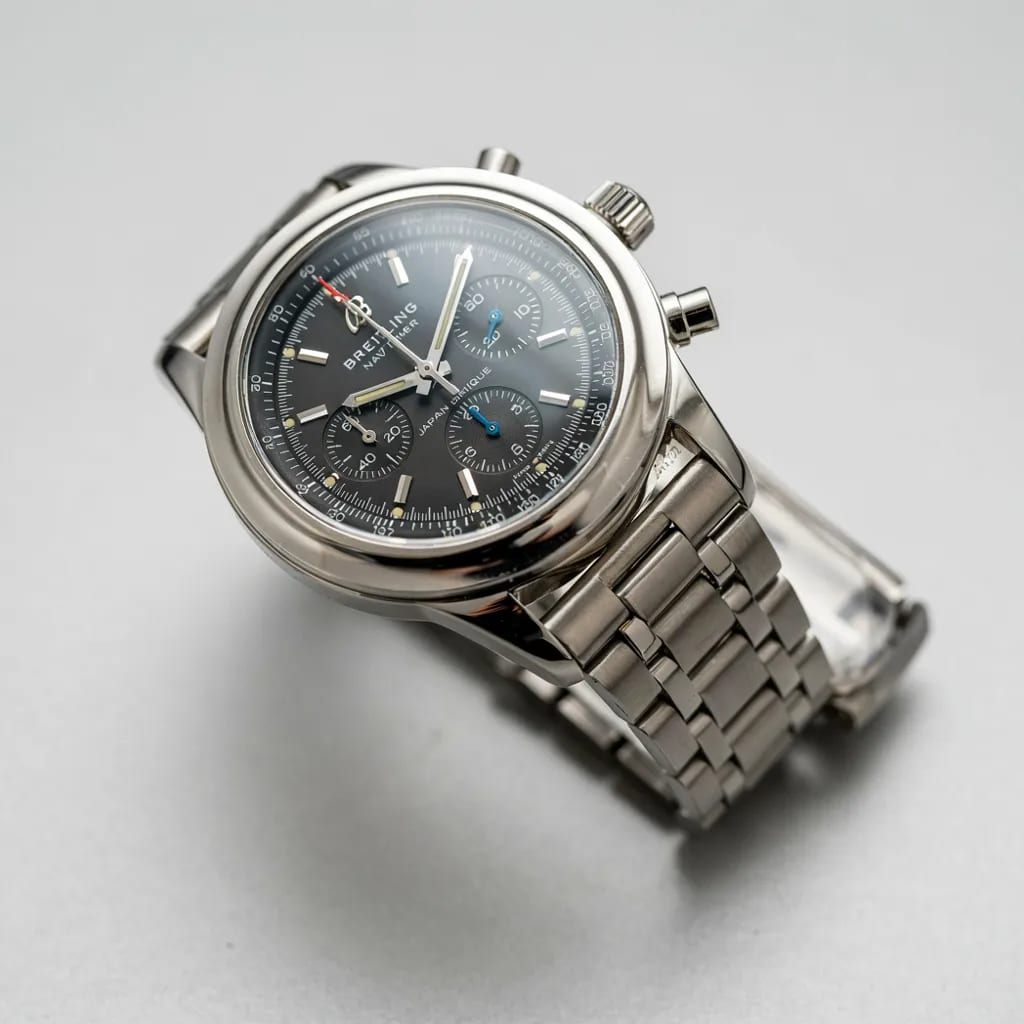
Breitling
Breitling Old Navitimer Mécanique Japan Limited
Ref. A11022
$7,000
Not in Stock — Estimated Delivery 3–4 Weeks

Breitling
Breitling Navitimer B01 Chronograph 43 Japan Limited (100-piece edition)
2016 • Excellent
$8,000
Not in Stock — Estimated Delivery 3–4 Weeks
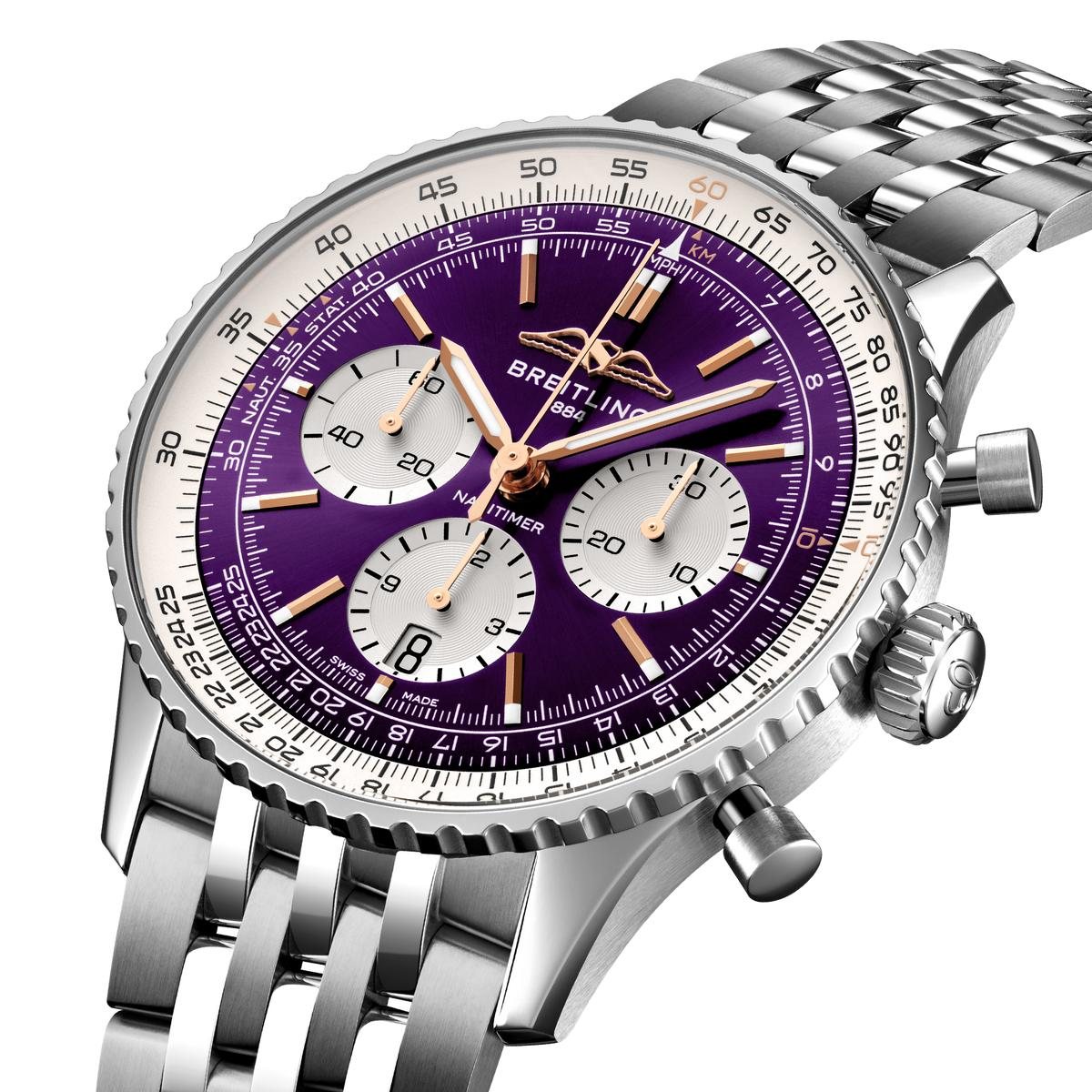
Breitling
Breitling Navitimer B01 Chronograph 43 Cortina Watch Online Exclusive (Purple Dial)
Ref. AB01385C1Q1A1
$10,000
Not in Stock — Estimated Delivery 3–4 Weeks